


American Ailments Require Many Products & Services
The United States is home to over 330 million people, and unfortunately, a significant portion of this population struggles with various health challenges. Whether due to the natural aging process, genetic predispositions, or lifestyle factors such as poor diet, lack of exercise, and high stress, many Americans find themselves dealing with a wide range of health issues. These conditions span from minor inconveniences to serious, life-altering diseases that, if left unaddressed, can become life-threatening.
Chronic conditions such as diabetes, hypertension, heart disease, and arthritis are becoming increasingly common, and many individuals are seeking proactive measures to manage their health. In addition, issues related to mental health, including anxiety, depression, and stress-related disorders, are on the rise, exacerbating the overall wellness challenges faced by the population. As the medical field continues to evolve, new treatments, therapies, and wellness practices are emerging, offering hope for better management and even prevention of some of these conditions.
This growing need for effective solutions has led to a strong and sustained interest in finding methods to relieve symptoms, improve overall health, and enhance quality of life. From pharmaceuticals to alternative medicine, natural supplements, and holistic approaches, Americans are exploring a wide variety of options in an effort to regain control over their health. The demand for wellness products and services, whether for pain management, mental clarity, or overall vitality, is stronger than ever, as more individuals recognize the importance of maintaining both physical and mental well-being.
Some examples of conditions that have needs for a variety of different products and services are:
Genital Warts Sufferers
Online and mail-order products and services for genital warts have gained significant popularity due to the sensitive and often stigmatized nature of the condition. Many individuals affected by genital warts are reluctant to seek in-person medical treatment, often due to personal embarrassment, social stigma, or concerns about privacy. This hesitancy makes discreet, anonymous treatment options an appealing alternative, especially for those who prefer to manage their health in the comfort and confidentiality of their own homes.
As awareness about the condition increases, more sufferers are turning to online platforms and mail-order services to find effective treatments. These services offer a wide range of options, from topical creams and prescription medications to home testing kits, which can be purchased without the need for direct interaction with a healthcare professional. This convenience and privacy appeal to individuals who might otherwise avoid traditional healthcare settings due to the perceived judgment or awkwardness of discussing intimate health issues.
Additionally, many online and mail-order services offer educational resources that empower individuals to understand and manage their condition better. These services may include virtual consultations with healthcare providers, discreet packaging, and fast, direct-to-door delivery, making them especially attractive for those seeking non-invasive, low-contact care options. As the stigma surrounding genital warts continues to diminish, these private treatment options will likely remain a preferred method for many seeking effective solutions.
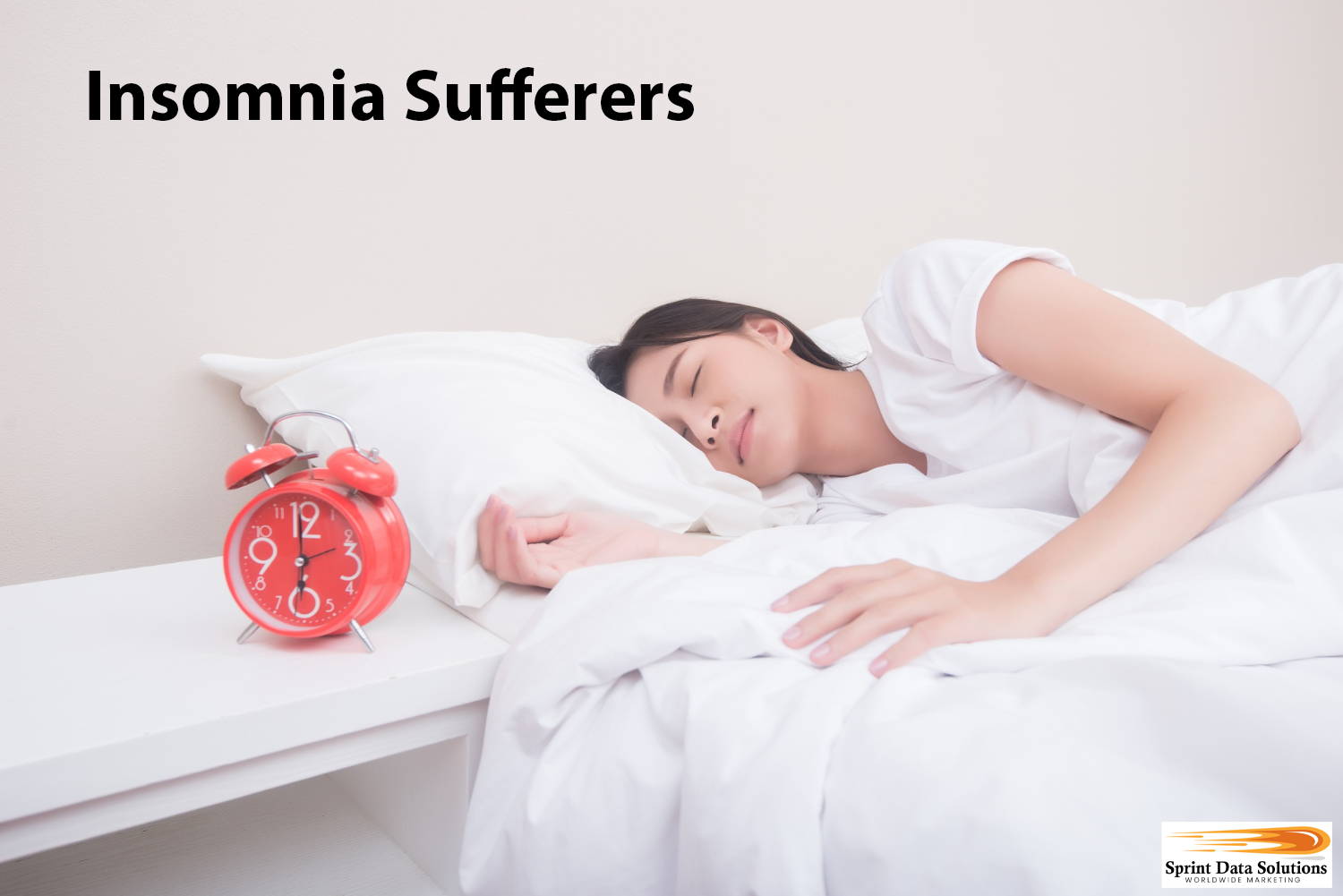
Insomnia Sufferers
Insomnia, or the inability to achieve restful and uninterrupted sleep, can be triggered by a wide range of factors. Its origins may be physical, such as chronic pain, sleep apnea, or underlying medical conditions like depression or anxiety, or it could be a result of lifestyle and environmental factors, including excessive screen time, poor sleep hygiene, or irregular work schedules. Psychological stress, including work pressures, personal issues, or trauma, is another common trigger. Some individuals may experience a combination of factors, which complicates both diagnosis and treatment.
Given the complex nature of insomnia, it’s essential to recognize that a diagnosis does not always lead to immediate, effective treatment. The condition varies significantly between individuals, meaning that what works for one person may not work for another. For many, finding the right approach can require trying a broad spectrum of remedies, including medications, behavioral therapies, lifestyle changes, or a combination of these. As a result, insomnia is often treated with a trial-and-error approach, incorporating methods such as cognitive behavioral therapy (CBT-I), relaxation techniques, sleep tracking, and, in some cases, over-the-counter or prescription sleep aids. The range of potential treatments makes insomnia a target for a variety of products and services aimed at improving sleep quality, from natural supplements and sleep-focused technology to professional sleep clinics.
Erectile Dysfunction
Erectile dysfunction (ED) is a condition that many men find difficult to address publicly due to its sensitive nature. The stigma associated with ED often leads individuals to seek out discreet and private options for diagnosis and treatment. Unlike more visible health issues, ED typically requires a more confidential approach, with many men opting to explore treatment solutions in the comfort of their own homes. This preference for privacy often drives individuals to choose online platforms or direct mail as preferred methods for obtaining ED medications and related treatments.
Online transactions provide the advantage of confidentiality, allowing users to browse and order medications or treatments without fear of judgment or embarrassment. Furthermore, direct mail offers the convenience of having products delivered in plain, unmarked packaging, which eliminates the need for face-to-face interactions at pharmacies or stores. As such, both digital and direct mail channels have become the most popular means for men seeking solutions to ED, offering a sense of privacy and convenience that traditional in-person transactions cannot match. These methods not only respect personal dignity but also offer easy access to a wide range of treatment options, empowering men to take control of their health in a way that feels comfortable and secure.
Atopic Eczema Sufferers
Eczema, also known as atopic dermatitis, is a chronic skin condition that affects millions of people worldwide. While it is not typically life-threatening, it can cause significant discomfort and distress due to its characteristic symptoms, which include persistent itching, dry patches, redness, and inflammation of the skin. For many individuals, eczema becomes a long-term issue that requires consistent management, as it often flares up periodically and may be exacerbated by various environmental triggers, allergens, or stress.
Due to the absence of a definitive cure, managing eczema involves a variety of strategies aimed at alleviating symptoms, preventing flare-ups, and maintaining healthy skin. Treatment often focuses on using topical creams, ointments, and medications to control itching, reduce inflammation, and hydrate the skin. Many sufferers also explore new and advanced products that promise better relief, leading to high demand for innovative and more effective solutions, such as topical creams, balms, and oils formulated specifically for eczema-prone skin.
The need for eczema-related products goes beyond just treatments, as sufferers often seek out specialized skincare routines, including gentle cleansers, moisturizers, and soothing lotions to maintain skin health between flare-ups. This ongoing commitment to care creates a significant market for eczema-focused health and beauty products, including hypoallergenic options, those free from harsh chemicals, and those designed to soothe sensitive skin.
Eczema is not just a physical condition; it can also have emotional and psychological effects, including frustration, self-consciousness, and low self-esteem due to the visible nature of the condition. As a result, there is also a growing interest in products that promote overall well-being, including items that provide comfort, reduce stress, and improve the mental health of eczema sufferers.
Given these ongoing needs and the constant search for effective treatments, the market for eczema-related products and services continues to grow, with both traditional and cutting-edge solutions being developed to meet the diverse needs of those affected by this chronic skin condition.
Sleep Apnea Sufferers
Sleep apnea is a serious and often underdiagnosed disorder where an individual’s breathing repeatedly stops and starts during sleep. These disruptions can range from mild to severe and may occur hundreds of times throughout the night, often without the sufferer realizing it due to the unconscious nature of sleep. The most common form, obstructive sleep apnea (OSA), occurs when the muscles in the throat relax excessively during sleep, obstructing the airways. This leads to reduced oxygen levels in the blood, which can trigger an array of health complications such as high blood pressure, heart disease, stroke, diabetes, and cognitive impairment.
One of the most concerning aspects of sleep apnea is the potential for oxygen deprivation, which, over time, can have profound effects on overall health. Individuals with untreated sleep apnea may also experience fragmented sleep, leading to chronic fatigue, irritability, difficulty concentrating, and reduced quality of life. Furthermore, sleep apnea is often associated with loud and disruptive snoring, which can lead to disturbed sleep for partners or others in the household. This makes sleep apnea not only a health concern but also a social issue, as it affects relationships and the ability to share sleeping spaces peacefully.
As awareness of the disorder grows, so too does the demand for products and services designed to treat sleep apnea and alleviate its symptoms. The market for sleep apnea treatments includes continuous positive airway pressure (CPAP) devices, which are the gold standard for managing moderate to severe cases, as well as oral appliances, which help reposition the jaw to prevent airway blockage. Additionally, lifestyle changes such as weight loss, sleep position adjustments, and smoking cessation can play a crucial role in reducing symptoms. There are also surgical options available for individuals with more severe or persistent cases of apnea.
The large and growing market includes not only treatment options but also ancillary services like sleep studies, diagnostic tools, and education on sleep hygiene. With millions of individuals suffering from sleep apnea worldwide—many of whom remain undiagnosed—there is substantial opportunity for businesses to provide products and services to address the needs of this underserved population. The ongoing research into non-invasive treatments and innovative technologies, such as wearable devices that monitor sleep patterns, promises further expansion of this market, making it a key area for healthcare providers and product developers alike.
Anaphylaxis
Anaphylaxis is a life-threatening allergic reaction that occurs when the immune system responds to a trigger—such as certain foods, insect stings, medications, or environmental factors—by releasing a flood of chemicals that can cause a rapid and severe inflammatory response. This hyperactive immune reaction is essentially an overcompensation, where the body’s defense mechanisms go into overdrive, potentially leading to shock, a sudden drop in blood pressure, airway constriction, difficulty breathing, and even organ failure. In the worst cases, anaphylaxis can be fatal, making it one of the most urgent medical emergencies to manage.
The condition typically presents within minutes of exposure to an allergen, making rapid intervention critical. The extreme risk posed by anaphylaxis has driven significant research and innovation into products and treatments designed to prevent or address the reaction as soon as it occurs. Among the most widely recognized tools are epinephrine auto-injectors like EpiPens, which are designed to rapidly deliver a dose of epinephrine (adrenaline) to counteract the symptoms by constricting blood vessels, increasing heart rate, and relaxing the airways. These devices have become essential for those at risk, allowing individuals to self-administer the medication before professional medical help can be reached.
In addition to emergency epinephrine, desensitization therapy (also known as immunotherapy) is a promising preventive measure for people with severe allergies. This treatment involves the gradual introduction of the allergen in small, controlled doses to build tolerance over time. Furthermore, research into biologic treatments such as monoclonal antibodies offers hope for future therapies that may provide more long-term protection and relief from the risk of anaphylaxis.
Aside from these treatments, there is an increasing demand for innovative products like smart medical alert systems that can notify caregivers or emergency responders when an allergic reaction is imminent. Lifestyle adjustments, such as avoiding known allergens and carrying emergency medication, also play an integral role in managing anaphylaxis.
Given the serious nature of this condition, there is a continuous effort to improve both preventive measures and treatments for individuals affected by severe allergies. This ongoing development is critical not only to reduce the risk of life-threatening reactions but also to enhance the quality of life for those living with the fear and uncertainty of potential anaphylactic episodes.
Cellulitis Sufferers
Cellulitis, much like eczema, is a common skin condition that can lead to painful redness, swelling, and irritation. It occurs when bacteria, typically Streptococcus or Staphylococcus, enter through a break or crack in the skin, causing an infection that affects the deeper layers of the skin. If left untreated, cellulitis can spread to surrounding tissues or even other parts of the body, including the bloodstream, leading to more serious complications like sepsis.
Individuals with cellulitis must be proactive in managing their condition. This includes following prescribed antibiotic treatments to combat the infection, keeping the affected area clean and elevated, and taking steps to prevent further injury or skin breakdown. Additionally, cellulitis sufferers may benefit from products specifically designed to soothe inflammation, reduce infection risks, and promote healing, such as moisturizers, antibacterial ointments, or skin barrier creams.
Preventative measures are just as critical, and individuals with frequent cellulitis flare-ups may consider lifestyle adjustments, such as better wound care, wearing protective clothing, and maintaining healthy skin hygiene. With proper medical attention, treatment, and the use of targeted products or services, individuals suffering from cellulitis can manage their symptoms more effectively and reduce the risk of recurring infections.
Cystitis Sufferers
Cystitis, while typically not considered a severe condition, is often associated with bladder infections or urinary tract infections (UTIs), both of which can cause discomfort and inconvenience. This condition is more common in women due to anatomical differences in the urinary tract, making them more susceptible to infections. Although cystitis is generally not life-threatening, it can lead to painful symptoms such as frequent urination, burning sensations, and pelvic discomfort. These symptoms can significantly impact daily life, leading many women to seek relief and effective treatments.
One of the challenges with cystitis is its recurrent nature. Many women experience multiple flare-ups throughout their lives, often triggered by factors such as urinary retention, dehydration, or bacterial infections. As a result, individuals with cystitis are often in search of products or services that can offer both short-term symptom relief and long-term prevention strategies. This includes a variety of solutions, ranging from over-the-counter medications and supplements designed to support bladder health, to more comprehensive treatments like prescription antibiotics or non-antibiotic therapies that help reduce the frequency and severity of infections.
Additionally, lifestyle changes, such as staying well-hydrated, avoiding irritants like caffeine and artificial sweeteners, and practicing good hygiene, can play a crucial role in managing cystitis. With increasing awareness about urinary health, there is also a growing demand for natural remedies, probiotics, and specialized dietary products aimed at preventing recurrent UTIs and maintaining overall urinary tract health. For many women, finding the right combination of preventive measures and treatments is key to managing cystitis and improving quality of life.
Abdominal Aortic Aneurysms
For individuals diagnosed with abdominal aortic aneurysms (AAA), managing the condition requires immediate and often significant lifestyle changes to prevent complications and manage the risks associated with this potentially life-threatening condition. Abdominal aortic aneurysms occur when the lower portion of the aorta—the main artery carrying blood from the heart to the rest of the body—becomes weakened and bulges. This can result in life-threatening consequences if the aneurysm ruptures, making early detection and ongoing management crucial.
In the early stages, the condition may not show obvious symptoms, but as the aneurysm grows, patients can experience symptoms like dizziness, lower back or abdominal pain, and a feeling of fullness. Rapid progression can also lead to severe complications like shock, which requires immediate medical intervention. Preventing rupture and slowing the growth of the aneurysm are the main goals of treatment, which includes managing blood pressure, cholesterol levels, and other heart-related conditions.
For individuals coping with an abdominal aortic aneurysm, maintaining low blood pressure is a key aspect of treatment. Medications, such as beta-blockers and ACE inhibitors, are commonly prescribed to control blood pressure and reduce strain on the heart. Additionally, lifestyle modifications, such as dietary changes, regular exercise, smoking cessation, and managing stress, are essential to managing the condition. In some cases, surgical intervention, like an endovascular aneurysm repair (EVAR) or open surgery, may be recommended if the aneurysm is large or poses a significant risk of rupture.
Because of the nature of the condition, those with an abdominal aortic aneurysm often find themselves needing to use a range of products and services designed to support heart health and prevent complications. These may include blood pressure monitors, heart-healthy supplements, and other medical aids tailored to heart disease management. Additionally, lifestyle coaching services and specialized dietary plans may become essential to help patients maintain a healthy weight and adhere to strict dietary guidelines that support vascular health.
The need for products and services related to abdominal aortic aneurysm care is consistently high, as patients look for tools and resources to monitor their health, maintain a heart-healthy lifestyle, and prevent sudden health emergencies. From medical devices to health management solutions, there is a growing market of products aimed at improving the quality of life and outcomes for individuals diagnosed with abdominal aortic aneurysms.
Sickle Cell
Sickle cell disease (SCD) is a serious inherited genetic disorder that affects the hemoglobin in red blood cells, causing them to adopt an abnormal, sickle-shaped form. These deformed cells are unable to move smoothly through blood vessels, leading to blockages, reduced oxygen delivery, and significant complications throughout the body. Since SCD is passed down from both parents, it is primarily a hereditary condition that disproportionately affects individuals of African, Mediterranean, Middle Eastern, and South Asian descent.
The consequences of sickle cell disease are far-reaching. Individuals with SCD often experience chronic anemia, a condition where the body lacks an adequate number of healthy red blood cells to carry sufficient oxygen. As a result, sufferers may face ongoing fatigue, weakness, and difficulty performing daily activities. In addition, the blockages caused by sickled cells can lead to a range of painful episodes known as sickle cell crises. These crises can cause severe, unpredictable pain in the joints, chest, and abdomen, requiring urgent medical attention.
The condition also increases the risk of other serious health issues, such as stroke, organ damage, infections, and vision problems, due to the reduced blood flow and oxygen levels in vital organs. Jaundice (yellowing of the skin and eyes) is a common symptom, as the body struggles to eliminate dead red blood cells efficiently. In some cases, individuals may experience delayed growth or puberty, particularly in children.
Managing sickle cell disease requires ongoing medical care and attention. Treatments may include regular blood transfusions, pain management strategies, and medications like hydroxyurea to reduce the frequency of painful crises. For those with more severe forms of the disease, stem cell or bone marrow transplants may offer the potential for a cure. However, the daily management of SCD often extends beyond medical interventions. Nutritional support, adequate hydration, and lifestyle adaptations are crucial for minimizing symptoms and preventing complications.
Additionally, various products and services are available to help individuals with sickle cell disease lead more fulfilling lives. These include specialized pain management tools, mobility aids, medical devices for monitoring oxygen levels, and therapeutic support options. Ensuring emotional and mental well-being is also essential, as coping with the chronic nature of the disease can cause significant psychological strain. Through a combination of medical treatment, lifestyle modifications, and emotional support, individuals with sickle cell disease can enhance their quality of life and participate more fully in everyday experiences, despite the challenges the condition may present.
Varicose Vein Sufferers
Approximately 30% of adults worldwide are affected by varicose veins, a condition characterized by the enlargement and darkening of veins that lie just beneath the surface of the skin, most often in the legs. While the condition is typically associated with cosmetic changes, such as unsightly bulging or discoloration of the veins, it can also lead to more severe symptoms for some individuals. For many, varicose veins cause pain, swelling, fatigue, and a sense of heaviness in the affected areas, particularly after prolonged periods of standing or sitting. In rare cases, varicose veins can lead to more serious complications, such as blood clots, skin ulcers, or bleeding.
Although varicose veins are a chronic condition without a permanent cure, there are various treatment options and lifestyle changes available to help manage symptoms and improve the quality of life for those affected. These include non-invasive solutions such as compression stockings, which help reduce swelling and alleviate discomfort, as well as more advanced medical interventions, such as sclerotherapy, laser treatments, and even surgical procedures like vein stripping or endovenous laser therapy.
Beyond medical treatments, individuals suffering from varicose veins may also turn to a range of products and services designed to ease the daily management of the condition. These can include specialized footwear, exercises to improve circulation, dietary supplements aimed at strengthening vein walls, and skincare products to prevent further damage to the skin. The management of varicose veins often requires a multi-faceted approach, depending on the severity of the symptoms and the individual’s overall health, making it essential to seek personalized care and consult healthcare professionals for tailored recommendations.
Stroke Victims
A stroke can be a deeply distressing and life-altering event, often leaving individuals with long-lasting effects that extend beyond the immediate medical emergency. While some stroke survivors may recover relatively quickly, others experience a variety of persistent symptoms that can affect different aspects of their lives. These lingering effects may include motor impairments such as paralysis or weakness, cognitive issues like memory loss or difficulty concentrating, sensory disturbances such as numbness or tingling, chronic pain, fatigue, and emotional challenges, including anxiety, depression, or mood swings. Additionally, stroke survivors may face functional difficulties such as urinary or bowel incontinence, which can significantly impact their daily routines and quality of life.
Because the symptoms and severity of stroke can vary widely from one individual to another, the recovery process is highly personalized. Some stroke survivors may require physical therapy, occupational therapy, or assistive devices to regain mobility and independence. Others may need specialized medications for pain management, mood stabilization, or to address cognitive challenges. Emotional and psychological support, such as counseling or therapy, may also be essential, especially for those dealing with depression, anxiety, or frustration related to their condition. The type of support, therapy, or products that a stroke survivor needs is directly tied to their unique combination of symptoms, and a holistic approach to care, combining both physical and mental health support, is often the most effective way to address the diverse challenges that stroke victims may face.
Liver Disease
Liver disease, in many cases, remains a challenging condition, and while a liver transplant can be a life-saving solution, its availability is often limited by factors such as organ viability, donor matching, and waitlist times. As a result, many individuals suffering from liver disease must manage a range of ongoing symptoms. These can include jaundiced skin, chronic fatigue, nausea, vomiting, itchy skin, fluid retention, and increased vulnerability to visible bruising or easy bleeding. These symptoms can significantly affect the quality of life, making daily activities challenging and distressing.
In addition to the physical discomfort, liver disease can have profound emotional and psychological impacts, leading to anxiety, depression, and a sense of isolation. As such, patients often seek out a variety of products and services that can help manage these symptoms, alleviate discomfort, and improve their overall well-being. This demand creates a highly engaged market of consumers who are constantly on the lookout for effective solutions, whether they are pharmaceutical treatments, nutritional supplements, alternative therapies, or even supportive devices that can help with managing daily challenges.
Moreover, advancements in medical treatments, lifestyle modifications, and personalized care options offer hope for individuals living with liver disease. Many of these patients are also interested in products designed to improve liver health, support detoxification, and enhance liver function, while others may turn to complementary therapies aimed at boosting immune function, reducing inflammation, or providing comfort for common symptoms like itching and discomfort.
As this patient group is continuously seeking ways to manage their condition and improve their quality of life, businesses offering targeted solutions for liver disease management find themselves with a receptive and motivated audience, ready to explore new innovations and products that can make a meaningful difference in their daily lives.
Diabetes Type II
Diabetes is a chronic condition that requires ongoing management, as there is currently no cure. The condition affects how the body processes glucose (sugar), leading to high blood sugar levels. Managing diabetes involves a combination of lifestyle modifications, dietary changes, and consistent use of medications. For many individuals, this includes insulin injections or oral medications designed to help regulate blood sugar levels and ensure they remain within a healthy range.
Left untreated, diabetes can lead to serious complications, such as heart disease, kidney damage, nerve problems, and vision impairment. However, with proactive care, individuals can reduce the risk of these long-term effects and improve their quality of life. Key aspects of diabetes management include maintaining a balanced diet, engaging in regular physical activity, monitoring blood sugar levels, and adhering to prescribed medication regimens. Additionally, individuals with diabetes must be vigilant about their health, as the condition can increase susceptibility to infections, especially in the skin, urinary tract, and respiratory system. Common symptoms of diabetes include unexplained weight loss, excessive thirst, frequent urination, and numbness or tingling in the hands and feet.
While living with diabetes can be challenging, most individuals with the condition can live full and healthy lives by managing their blood sugar levels effectively, seeking regular medical check-ups, and following a comprehensive care plan tailored to their specific needs. Regular monitoring and lifestyle adjustments can help manage symptoms, prevent complications, and support overall well-being.
Arthritis Sufferers
Arthritis is a chronic condition that affects millions of people worldwide, primarily seniors, but it can also impact adults of all age groups. Unfortunately, there is no definitive cure once arthritis has been diagnosed, making it a lifelong challenge for many individuals. The condition is characterized by inflammation of the joints, leading to symptoms such as intense pain, swelling, stiffness, and a significant reduction in mobility, particularly in the affected limbs. These symptoms can make everyday tasks increasingly difficult, severely impacting quality of life.
The most common form of arthritis is osteoarthritis, which typically results from the wear and tear of cartilage between the joints over time. Rheumatoid arthritis, another prevalent form, occurs when the body’s immune system mistakenly attacks its own joints. Both conditions can cause substantial discomfort and disability, with flare-ups often leading to joint deformities if left unmanaged.
Managing arthritis is a complex and ongoing process, and many individuals seek out a variety of treatments to alleviate their symptoms. In addition to traditional medications like nonsteroidal anti-inflammatory drugs (NSAIDs) or disease-modifying antirheumatic drugs (DMARDs), many people are turning to natural alternatives for pain relief. One such option gaining popularity, particularly in the senior community, is CBD (cannabidiol). Known for its anti-inflammatory and pain-relieving properties, CBD has been shown to provide significant relief from the discomfort associated with arthritis. Unlike traditional pain medications, CBD has no addictive side effects, making it an appealing option for those looking for a safer, more natural approach to managing their pain.
In addition to CBD, other alternative therapies such as physical therapy, acupuncture, and joint supplements are also becoming common treatment options for arthritis sufferers. Each individual’s experience with arthritis is unique, and as such, many patients explore a combination of therapies tailored to their specific needs, allowing for a more holistic approach to managing the condition and improving overall well-being.

Asthma Sufferers
Asthma is a chronic respiratory condition that cannot be cured once diagnosed, but its symptoms can be effectively managed with proper treatment and care. It primarily affects the lungs and airways, leading to difficulty breathing due to inflammation and narrowing of the air passages. Common symptoms of asthma include shortness of breath, wheezing, coughing, chest tightness, and excessive mucus production. In some cases, asthma attacks can be triggered by allergens, pollutants, exercise, or stress, which can exacerbate symptoms and lead to more severe reactions such as hyperventilation or difficulty speaking.
Individuals with asthma need to monitor their condition closely and use medications as prescribed by their healthcare providers. The most common treatment involves inhalers, including rescue inhalers for immediate relief during an asthma attack and maintenance inhalers for long-term symptom control. Inhalers often contain bronchodilators and corticosteroids to reduce inflammation and open the airways.
Beyond medication, there are various lifestyle adjustments and products that can support asthma management. These may include air purifiers to reduce allergens, hypoallergenic bedding to prevent dust mites, and humidifiers to keep the airways moist. Asthma sufferers should also be mindful of environmental triggers and take steps to avoid exposure to pollutants or allergens that could worsen symptoms.
Additionally, some asthma patients find complementary treatments, such as breathing exercises, physical therapy, or specific dietary changes, to be helpful in reducing the frequency and severity of symptoms. Regular medical check-ups and self-monitoring using devices like peak flow meters are also crucial for managing asthma effectively. With the right approach, individuals with asthma can live active, fulfilling lives despite the condition.
Ulcer Sufferers
Ulcers can be caused by a variety of factors, ranging from identifiable medical conditions with clear physical causes to more complex, stress-related triggers that gradually impact the digestive system. These ulcers can appear in various parts of the gastrointestinal tract, most commonly in the stomach or the small intestine, and the reasons behind their development may vary widely. While certain ulcers may be linked to bacterial infections, such as *Helicobacter pylori*, others can be induced by the prolonged use of nonsteroidal anti-inflammatory drugs (NSAIDs), excessive alcohol consumption, or chronic stress. The presence of ulcers is often accompanied by uncomfortable symptoms, such as abdominal pain, bloating, indigestion, nausea, and a feeling of fullness, which can severely affect one’s quality of life.
Managing ulcers, particularly in relation to digestive discomfort, requires a multifaceted approach. For ulcers caused by infections or imbalances in stomach acid, medications like proton pump inhibitors (PPIs), H2 blockers, and antibiotics may be prescribed to help reduce stomach acid, treat the infection, and promote healing. Additionally, antacids and other digestive aids are frequently used to neutralize excess stomach acid and alleviate symptoms of heartburn or indigestion.
On the other hand, ulcers caused or aggravated by stress and emotional factors may require a different approach. Stress management techniques and products can be incredibly helpful in these cases. These include relaxation aids such as meditation, yoga, deep breathing exercises, and cognitive behavioral therapy, which aim to reduce stress and its harmful effects on the digestive system. Furthermore, herbal remedies such as chamomile, ginger, and peppermint are often used for their soothing properties, helping to calm inflammation and relieve discomfort.
In some instances, a combination of these treatments may be necessary to effectively manage ulcers. Whether through medication to address the underlying cause or lifestyle adjustments designed to promote relaxation and reduce stress, a wide range of products and services can help individuals manage the various forms of ulcers and the digestive discomfort they cause. Each case is unique, and it is important for individuals to work closely with healthcare providers to determine the most appropriate treatment strategy based on the specific causes of their ulcers and symptoms.
Bipolar Disorder
Bipolar disorder is a complex mental health condition characterized by dramatic shifts in mood, energy, and activity levels. Individuals with bipolar disorder experience alternating episodes of “mania” and “depression.” During manic phases, they may feel an overwhelming sense of euphoria, boundless energy, and reduced need for sleep, which can lead to risky behaviors and impaired judgment. In contrast, depressive episodes are marked by feelings of deep sadness, hopelessness, fatigue, and a lack of interest in everyday activities, resembling a more chronic form of depression.
While prescription medications such as mood stabilizers, antipsychotics, and antidepressants are commonly prescribed to help regulate these mood swings, there are also a variety of non-prescription options that can complement medical treatment. Lifestyle changes, such as maintaining a regular sleep schedule, engaging in consistent physical activity, and practicing mindfulness or cognitive-behavioral therapy (CBT), can be crucial in managing the condition. Additionally, certain supplements, such as omega-3 fatty acids, magnesium, and vitamin D, have shown potential in supporting mood stability.
Support groups and mental health services provide valuable resources for individuals with bipolar disorder, offering a sense of community and understanding, which can significantly reduce feelings of isolation. Furthermore, stress management techniques, like meditation, yoga, or relaxation exercises, can be beneficial in helping individuals manage emotional triggers. Together with professional care, these holistic approaches contribute to a comprehensive strategy for managing bipolar disorder and maintaining emotional equilibrium.
Allergy Sufferers
Although generally not life-threatening, allergies can significantly impact the quality of life for those affected. For instance, individuals with allergies to pet dander often face restrictions on pet ownership, which can affect their lifestyle and social interactions. Allergies can arise from a broad spectrum of triggers, including environmental factors like pollen and dust mites, as well as food-related allergens such as peanuts and seafood. Other common allergens include mold, insect stings, and specific medications.
For many allergy sufferers, daily life involves managing uncomfortable symptoms like sneezing, itching, congestion, and skin rashes, which can be disruptive at best and debilitating at worst. While over-the-counter medications such as antihistamines and decongestants can offer some relief, they often come with side effects or may not be entirely effective for all individuals. As a result, people with allergies are continuously seeking out more advanced and innovative treatments, ranging from allergy shots and immunotherapy to natural remedies and lifestyle changes that might provide lasting relief.
The sheer diversity of allergens, coupled with the varying severity of allergic reactions, fuels a widespread interest in discovering better management strategies. This has led to an increasing demand for allergy-related products, services, and therapies designed to minimize the effects of allergens in daily life. From air purifiers that filter allergens from the environment to specialized diets and medical advancements, the market for allergy relief continues to grow, driven by the ongoing need for more personalized and effective solutions.
Chronic Pain
Chronic pain affects a significant and growing demographic, with millions of individuals worldwide experiencing long-term discomfort that can stem from a wide array of conditions. These can include common ailments such as arthritis, migraines, and fibromyalgia, as well as less visible causes like digestive disorders, skin conditions such as eczema, and even nerve-related pain. The sheer variety of underlying causes makes chronic pain a complex issue, and as such, there are multiple strategies available for managing and alleviating the symptoms.
Given the diversity of pain experiences, individuals seek various methods of relief depending on their specific condition and needs. Pharmaceutical solutions, including prescription painkillers, nonsteroidal anti-inflammatory drugs (NSAIDs), and topical treatments, provide immediate or short-term relief. Meanwhile, over-the-counter remedies, such as topical creams, heat or cold packs, and supplements like turmeric or glucosamine, are also widely used for temporary relief. On the holistic side, services like chiropractic care, acupuncture, physical therapy, and massage therapy can help address pain from a long-term perspective, focusing on improving posture, mobility, and muscle relaxation.
The chronic pain market is vast and highly diverse, representing an enormous opportunity for businesses to provide tailored products and services. However, successful marketing in this sector requires careful attention to the specific needs and preferences of individuals suffering from different types of pain. Understanding the distinct characteristics of various pain conditions and offering products that are well-suited to those needs is essential for establishing trust and delivering effective solutions. This requires businesses to stay up-to-date with the latest treatments, research, and consumer trends in the pain management space, ensuring they offer the right solutions at the right time.
High Cholesterol
High cholesterol is a prevalent condition that often arises from various lifestyle factors, especially dietary choices. In a country like America, where food is such a central part of daily life and cultural identity, it’s not surprising that many people struggle with elevated cholesterol levels that require careful management. One of the more concerning aspects of high cholesterol is that it typically has no obvious symptoms, making it a silent risk factor that can go unnoticed until significant damage has been done to the cardiovascular system. If left unchecked, excessively high cholesterol can lead to severe health problems, such as chest pain (angina), heart disease, strokes, and even heart attacks.
The main contributors to high cholesterol include poor eating habits, lack of exercise, smoking, and excessive alcohol consumption. Unfortunately, since the condition doesn’t cause immediate discomfort or visible signs, many individuals don’t realize they are at risk until a serious cardiovascular event occurs. Regular screenings and blood tests are essential for identifying high cholesterol before it causes irreversible damage to the arteries.
Managing high cholesterol usually involves a multifaceted approach, primarily focusing on lifestyle changes. A heart-healthy diet rich in fruits, vegetables, whole grains, lean proteins, and healthy fats can play a significant role in reducing cholesterol levels. Additionally, increasing physical activity, quitting smoking, and reducing alcohol intake can help lower LDL (bad) cholesterol and raise HDL (good) cholesterol.
For those with higher levels or a greater risk of cardiovascular disease, dietary supplements, exercise programs, and professional services such as personalized nutrition plans and fitness routines can offer significant support. These tools, when combined with medical advice, can help individuals effectively manage their cholesterol and reduce the risk of heart-related complications. Moreover, natural supplements, such as omega-3 fatty acids, plant sterols, and soluble fiber, are often recommended to help lower cholesterol levels, offering an alternative or complementary approach to prescription medications. In the battle against high cholesterol, these proactive lifestyle choices and health-focused products can make a substantial difference in overall well-being.
COPD
Chronic obstructive pulmonary disease (COPD) refers to a group of progressive lung diseases that lead to airflow blockage and breathing difficulties. The most common diseases under the COPD umbrella are emphysema and chronic bronchitis, which cause symptoms like persistent coughing, wheezing, shortness of breath, excessive mucus production, and chest tightness. Many individuals with COPD also experience fatigue, frequent respiratory infections, and a decreased ability to perform physical activities. These symptoms are increasingly familiar to people who have recovered from or are living with long-term effects of COVID-19, as the virus can exacerbate underlying lung conditions or lead to post-viral respiratory complications.
Historically, COPD was most prevalent among individuals who smoked or had long-term exposure to environmental pollutants. It was also more common among those with pre-existing respiratory conditions such as asthma. However, in recent years, an increasing number of people have developed COPD due to other factors, including viral infections like COVID-19, air pollution, and genetic predispositions, which have expanded the scope of COPD management.
Given that COPD encompasses several distinct diseases and causes, the approach to managing the condition can vary widely. Treatment strategies include medications such as bronchodilators, corticosteroids, and antibiotics, along with lifestyle modifications like smoking cessation, pulmonary rehabilitation, and oxygen therapy. In more severe cases, surgery or lung transplants may be required. Additionally, individuals may benefit from complementary treatments like breathing exercises, alternative therapies, and nutritional supplements to help manage symptoms and improve quality of life.
This diversity in management options opens up new opportunities for targeted marketing campaigns, allowing businesses to offer tailored products and services that address specific causes and symptoms of COPD. Whether focusing on medications, devices, lifestyle programs, or diagnostic tools, the right solution can be aligned with the specific needs of those suffering from COPD, presenting significant opportunities for the healthcare and wellness industries. By understanding the various triggers and manifestations of COPD, marketers can more effectively reach patients with personalized treatments and services that enhance their health and well-being.
Lactose Intolerance
Lactose intolerance is a chronic condition that affects individuals’ ability to properly digest lactose, a sugar found in milk and dairy products. It is not considered a disease in itself but rather a sensitivity or deficiency in the enzyme lactase, which is responsible for breaking down lactose in the digestive system. Unlike most people, those with lactose intolerance experience a range of symptoms after consuming dairy, including stomach cramps, bloating, gas, diarrhea, and nausea. These symptoms, although not life-threatening, can significantly impact daily life and overall well-being, making it essential for individuals with this condition to manage their dietary intake carefully.
The most common approach to managing lactose intolerance is through dietary modifications, where individuals avoid or limit foods that contain lactose. There are also lactase enzyme supplements available that can be taken before consuming dairy, helping to break down lactose and minimize symptoms. For those who still want to enjoy dairy products, lactose-free options, such as lactose-free milk or dairy substitutes like almond, soy, or oat milk, can provide a viable alternative.
Additionally, some people benefit from consuming dairy products that are naturally lower in lactose, such as hard cheeses and yogurt, which often cause fewer digestive issues due to the fermentation process. As research into the condition continues, more specialized foods, beverages, and medications are being developed to help individuals manage their lactose intolerance more effectively. For many, this combined approach of dietary management and symptom-relieving products allows them to lead a more comfortable and balanced life.
Cirrhosis
Cirrhosis is a progressive liver disease characterized by severe scarring of the liver tissue, which disrupts the organ’s ability to function properly. This condition often arises from chronic liver damage due to a variety of factors such as viral hepatitis, chronic alcohol abuse, non-alcoholic fatty liver disease, and other metabolic disorders. The liver, which plays a crucial role in detoxifying harmful substances, processing nutrients, and producing essential proteins, becomes increasingly inefficient as cirrhosis advances.
The primary causes of cirrhosis include long-term excessive alcohol consumption, viral infections like hepatitis B and C, obesity, and autoimmune liver diseases. It can also result from inherited conditions, such as Wilson’s disease or hemochromatosis, which affect the liver’s ability to process certain substances.
Symptoms of cirrhosis can vary significantly depending on the severity of the damage. Early stages may not present noticeable symptoms, but as the condition progresses, individuals may experience fatigue, weakness, unexplained weight loss, and nausea. As liver function declines, more severe symptoms such as jaundice (yellowing of the skin and eyes), swelling in the abdomen (ascites), varicose veins, and easy bruising can develop. Mental confusion, a condition known as hepatic encephalopathy, may also occur, due to a buildup of toxins in the brain that the liver can no longer filter effectively.
Managing cirrhosis involves addressing both the underlying causes and the symptoms. Lifestyle changes, including the cessation of alcohol consumption, maintaining a healthy diet, and managing body weight, are crucial. In addition to conventional treatments like antiviral medications or corticosteroids for autoimmune liver disease, a range of products and services can be beneficial. These may include supplements to support liver health, medications to reduce inflammation and swelling, and therapeutic options like diuretics to manage fluid retention. For individuals at risk of cirrhosis, education on the prevention of liver damage and guidance on maintaining a healthy liver are key elements in managing the disease’s progression.
Obesity
Obesity is a complex condition with multiple contributing factors, but the outcome is the same: individuals accumulate excess weight that negatively affects their health and overall quality of life. While certain medical conditions, such as hypothyroidism or hormonal imbalances, and genetic factors like a family history of obesity, can increase susceptibility to weight gain, lifestyle choices are the most significant contributors. Poor dietary habits, such as overeating calorie-dense, nutrient-poor foods, along with a lack of physical activity, are key drivers of obesity.
The consequences of obesity are typically evident and can be severe. Beyond noticeable weight gain, common symptoms include chronic joint pain, particularly in the knees and lower back, difficulty breathing or shortness of breath even during routine activities, and reduced physical stamina. These physical manifestations often lead to lower energy levels and a decreased ability to engage in daily tasks or exercise. Obesity also significantly raises the risk of developing various chronic diseases, including heart disease, diabetes, stroke, and certain cancers.
As obesity continues to be a pressing public health issue, particularly in developed countries like the United States, the demand for solutions to help individuals manage or reverse obesity is substantial. A wide range of products and services catering to weight loss, from dietary supplements and meal plans to fitness programs and weight-loss surgeries, are widely available. However, the most effective treatments involve sustainable changes in lifestyle, particularly improved eating habits and increased physical activity. Healthcare professionals often recommend personalized strategies to help people lose weight safely, focusing on gradual, long-term lifestyle changes rather than quick fixes. This approach not only addresses the physical aspects of obesity but also considers mental health and emotional well-being, which are integral to successful weight management.

We Can Help
Sprint Data Solutions Worldwide Marketing was founded in Las Vegas, Nevada, where it proudly maintains its headquarters today. From its humble beginnings in the direct mail industry, the company rapidly developed a strong reputation for its ability to compile and manage extensive databases. By harnessing the power of targeted direct mail campaigns, Sprint Data Solutions Worldwide Marketing became an invaluable resource for businesses aiming to reach specific consumer segments across diverse industries. This success in building high-quality mailing lists led to the company expanding its reach well beyond Nevada, eventually offering services throughout the entire continental United States, including Alaska and Hawaii, as well as extending its expertise to neighboring North American markets such as Canada and Mexico. Over time, Sprint Data Solutions Worldwide Marketing grew to cover global markets, including key European nations such as France, ensuring that businesses could target audiences on an international scale.
As a result of its continued success and expansion, Sprint Data Solutions Worldwide Marketing now boasts one of the largest and most meticulously maintained databases in the industry. This comprehensive contact database is constantly re-evaluated, with regular updates to maintain the relevance and accuracy of the data, ensuring that businesses receive up-to-date information for their marketing efforts. In addition to traditional mailing addresses, the company now offers a wide array of valuable contact information, including telephone numbers for voice calls, email addresses for digital campaigns, and cellular phone numbers for targeted SMS marketing. This broad spectrum of contact formats allows Sprint Data Solutions Worldwide Marketing to cater to the specific needs of businesses, ensuring the most effective and targeted marketing strategies across multiple channels. The company’s ability to adapt to the evolving landscape of marketing technology and consumer behavior continues to position it as a leader in the industry.
Help The Right People
Sprint Data Solutions Worldwide Marketing specializes in helping clients connect their products or services with the individuals who will benefit the most from them. By utilizing a comprehensive range of demographic, psychographic, and health-related data points, the company ensures that your marketing campaigns are tailored for maximum engagement and response. Metrics such as race, religious affiliation, income level, and specific health conditions, such as chronic illnesses or disabilities, allow for highly targeted outreach that speaks directly to the needs and preferences of your audience.
Whether you’re marketing health-related products, specialized services, or community-based offerings, Sprint Data Solutions Worldwide Marketing provides the insights necessary to increase the effectiveness of your direct mail campaigns. With their in-depth data analytics, businesses can create personalized marketing efforts that resonate with potential customers, ensuring greater receptivity to their offers.
For businesses looking for end-to-end solutions, Sprint Data Solutions Worldwide Marketing offers turnkey services that guide clients seamlessly through every step of a direct mail campaign. From initial concept and strategy development to creative design, printing, and final distribution, the team ensures that every aspect of your campaign is handled with care and precision. This hands-on approach takes the guesswork out of the process, enabling businesses to focus on their goals while leaving the logistics to the experts.
If your goal is to reach and support individuals suffering from specific ailments in the USA, Sprint Data Solutions Worldwide Marketing is your trusted partner. With tailored solutions designed to help you achieve your objectives, the company is committed to guiding you toward success. Reach out today, and let Sprint Data Solutions Worldwide Marketing help you deliver the right message to the right audience at the right time.